Zubalashvili Family
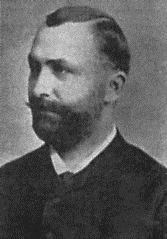
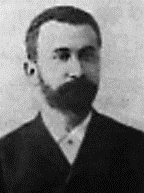
Zubalashvili Family, famous family of merchants, entrepreneurs and philanthropists. They were originally from Meskheti, and then moved to Kartli. Initially, they were Orthodox Christians. Later, part of the family converted to Catholicism and settled in Sololaki (present-day Amaghleba Street) in Tbilisi, and turned the Catholic cemetery founded in 1780 into their burial place.
The priest Giorgi Zubalashvili was a participant in the opening of the Georgian printing house. During the reign of Erekle II, the print-worker Romanoz printed books until 1811. Romanoz's work was continued by his sons David and George. In 1775, Ivane built a house in Tbilisi where the poor could spend the night.
Zubalashvili family especially advanced with the development of capitalism in the country. In the 1820s, David, Grigol, and Mikheil advanced through trade with Russia. The merchant and philanthropist Iakob Zubalashvili (1792–1864) especially distinguished himself. He had alcohol distilleries in Kutaisi and its surrounding areas. In 1837, he established the first sugar factory in South Caucasus in Tbilisi, which employed approximately 300 workers. He also built a hotel (now the Shalva Amiranashvili Museum of Fine Arts) and donated it to the city.
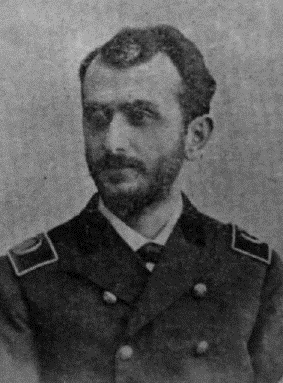
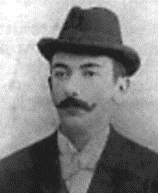
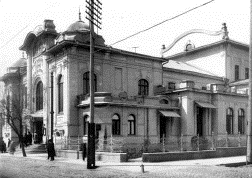
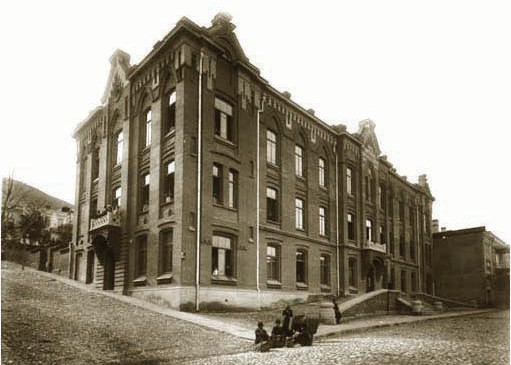
The contribution of Konstantine Zubalashvili (1828–1901) and his sons – Levan (1853–1914), Stephane (1860–1904), Petre (1862–1903) and Iakob (1876–1941) to the welfare of the country and its capital is very important. Zubalashvili family donated a large sum of money for the construction of the Tbilisi Noble School. To immortalize the memory of Konstantine, Stephane built a public house (now the Kote Marjanishvili State Academic Drama Theatre), and a second building next to it, where a library and reading room were opened. In 1908, the Zubalashvili family donated these buildings to the city. They also built the building of the Tbilisi Music School. Stephane and Iakob Zubalashvili donated a large sum for the construction of the conservatory. The editorial offices of the newspaper “Kvali”, the newspaper “Iveria”, and the magazine “Mogzauri” received assistance from the Zubalashvili family. The newspaper “Vozrozhdenie” was published with the funds of the younger brother, Iakob. Under his leadership “Iveria” was renewed, and the monthly children's magazine “Nakaduli” was published. Many famous Georgian artists benefited from his scholarships.
Nikoloz Zubalashvili built a “home for the destitute people” at the beginning of the 20th century.
For their great service to the country and people, the Tbilisi community elected Petre and Stephane (posthumously), Levan and Iakob as honorary citizens of Tbilisi on May 1, 1913. There is a street named after the Zubalashvili brothers in the capital of Georgia.
Literature: გუგუშვილი პ., საქართველოსა და ამიერკავკასიის ეკონომიკური განვითარება XIX–XX სს., ტ. 5, თბ., 1962; ჭიჭინაძე ზ., მრეწველობის წარმომადგენნი და ისტორია ზუბალაშვილების გვარისა, ტფ., 1906; ხოშტარია ე., მრეწველობის განვითარება და მუშათა კლასის ჩამოყალიბება XIX საუკუნის საქართველოში, [ტ.] 1, თბ., 1966.
L. Mikeladze
E. Khoshtaria