Tortomi Fortress
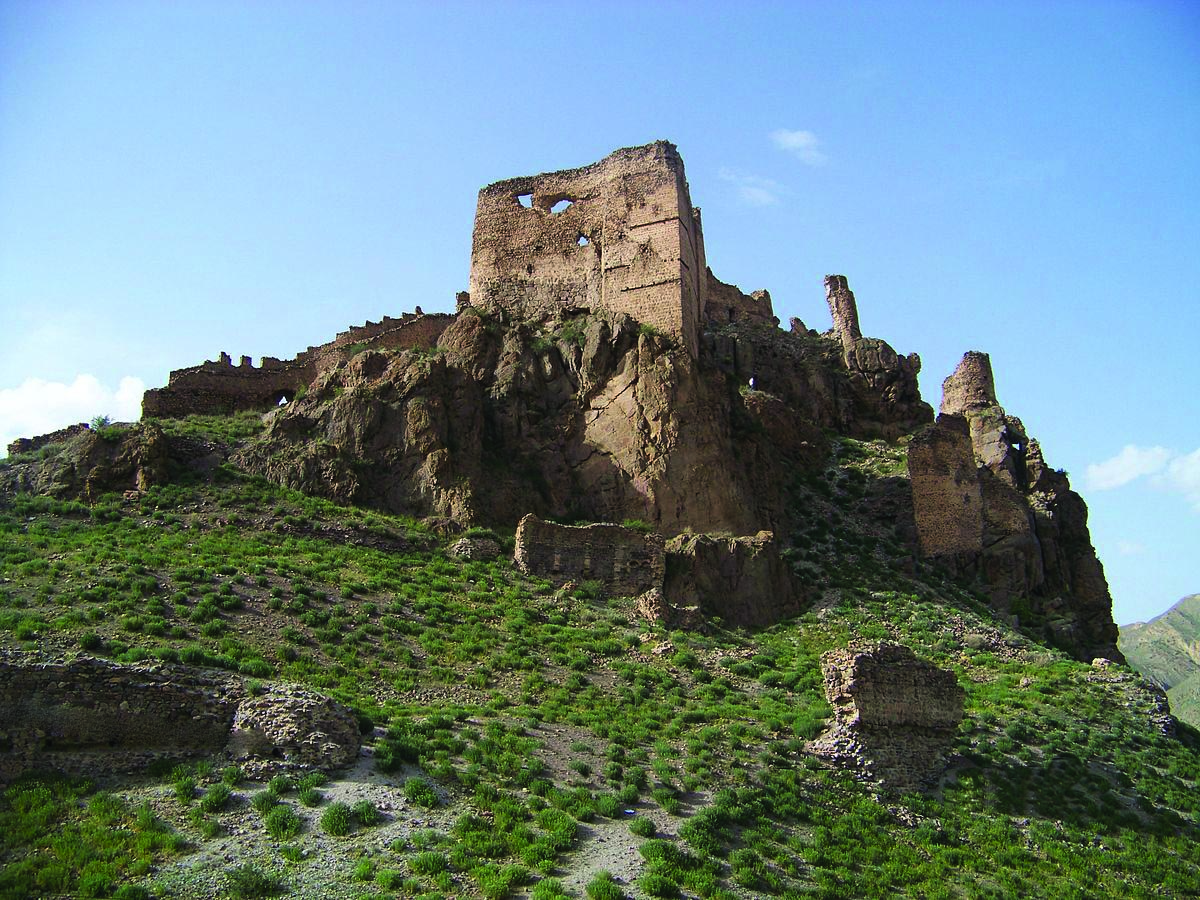
Tortomi Fortress (in Turkish sources – Tortum, in European sources – Korkon), located in historical Tao (currently the territory of Turkey), at the headwaters of the Tortomistskali (present-day Tortum Çayı), a right tributary of the Chorokhi River. Even at the beginning of the 20th century, the Tortomi Fortress was well-preserved.
Erected in the middle of the river on a high rocky island, the Tortomi Fortress was a large and well-fortified stronghold. Within the inner citadel of Tortomi, alongside various fortification structures, there were residential houses and a church, the ruins of which survive to this day. Following the Ottoman conquests, the mosque of Sultan Suleiman was also established in the fortress. In the lower suburb of the fortress, there were up to seven hundred well-appointed structures. The city possessed bathhouses, caravanserais (funduks), and shops. A salt customs house was also located here. The residential houses were surrounded by orchards and vineyards. Grapes, pears, and peaches were especially prized, which merchants exported in large quantities to Erzurum.
The Tortomi Fortress was the administrative center of one of the communes of Tao—Tortomi. Over time, it was under the possession of various feudal families, including the Panaskertelis and Jakelis. At the beginning of the 16th century, the vassals of the Jakelis, Kurtsina and his children, became the owners of the fortress.
The Tortomi Fortress held paramount military-strategic significance, as it guarded the main routes entering Georgia from Asia Minor. The location of the fortress allowed the garrison to withstand even superior enemy forces (for example, near the Tortomi Fortress, Taka Panaskerteli defeated the invading Turkmen conquerors).
In the 11th century, a Byzantine garrison was stationed in the fortress, and later, in the 14th–15th centuries, it was held by the soldiers of Tamerlane and Uzun Hasan. In 1549, the Ottomans captured the Tortomi Fortress, and it was declared the administrative center of the Sanjak of Tortumi.
Sources: აბულაძე ც., თურქული წყაროები XVI ს. I მეოთხედის სამცხე-საათაბაგოს ისტორიისათვის, თბ., 1983; ევლია ჩელების „მოგზაურობის წიგნი" ნაკვ. 1, თბ., 1971; ვახუშტი, აღწერა სამეფოსა საქართველოსა, წგ.: ქართლის ცხოვრება, ს. ყაუხჩიშვილის გამოც., ტ. 4, თბ., 1973.
Literature: Такайшвили Е., Археологическая экспедиция 1917 года в южные провинции Грузии, Тб., 1952.
G. Cheishvili