Petritsi Ioane
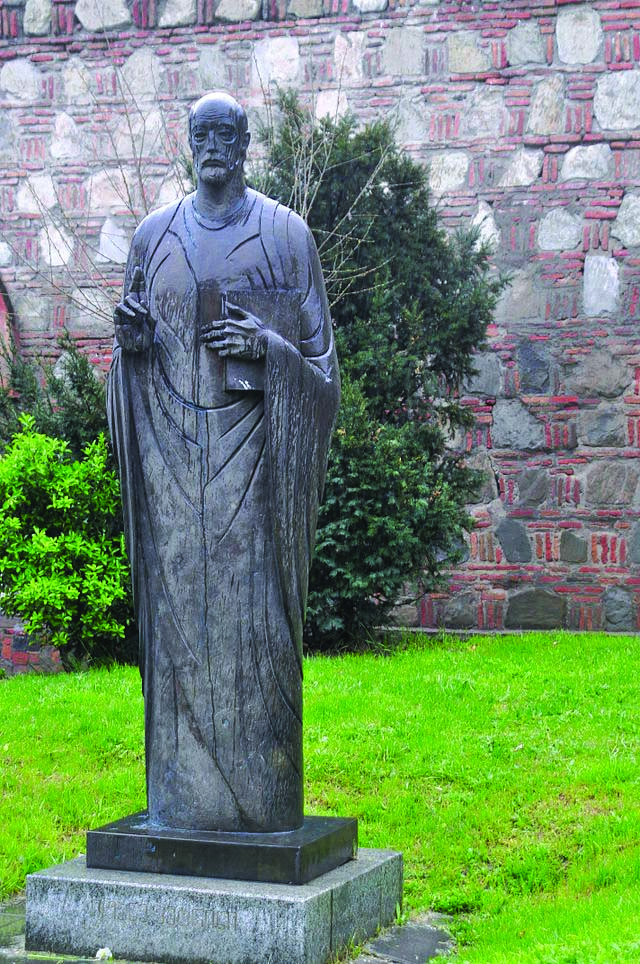
Ioane Petritsi, a prominent Georgian philosopher of the Middle Ages (11th century), Neoplatonist (he is also referred to as Ioane Chimchimeli). There is no biographical information about him, only reports by 18th-century scribes that Ioane Petritsi was from Samtskhe, of noble descent, and in his youth he studied at the Mangana Academy in Constantinople, where he was taught by representatives of the Byzantine Renaissance: Michael Psellos and John Italus. Ioane Petritsi took an active part in the ideological movement led by Italus. After the trial of Italus (1083) and the persecution of his followers, Ioane Petritsi moved to the Petritsoni Monastery. For a while he was with Ephrem Mtsire on Black Mountain, then returned to Georgia and headed the Gelati Academy. He translated into Georgian the well-known work of Nemesius of Emesa, On Human Nature, but his Georgian translation of Proclus Diadochus' Elements of Theology with an extensive commentary is especially significant. Petritsi's commentary represents an important attempt at the reception of the work, since the Georgian philosopher discussed this work from an immanent perspective, based on the philosophy of Proclus himself. For this reason, special attention should be paid to Ioane Petritsi when studying the philosophy of Proclus, especially the commentaries created about his works in the Middle Ages. In the editions of the Elements of Theology that have been distributed to date, this one has been represented in an unsatisfactory manner, discussed only superficially, or has been unfairly criticized (e.g., E. R. Dodds' famous edition of Proclus's Elements of Theology). This gap in the study of Proclus' philosophical work can only be filled if the Georgian translation and commentary on the Elements of Theology are discussed and evaluated in close connection with Proclus' Byzantine and Latin commentators.
Ioane Petritsi explained every chapter of the Neoplatonist Proclus's Elements of Theology in detail, word for word, just like Berthold of Moosburg, who created a very extensive commentary on this work of Proclus. Petritsi's commentary on the same text assures the reader that the Georgian author was well acquainted with ancient philosophy; he did not use both secondary sources and altered information about ancient thinkers. For Petritsi, the philosophy of Proclus is a value in itself, therefore he explained the Elements of Theology step by step; the Georgian thinker wanted to reveal the hidden layers of this work and understand its essence. For this purpose, he relied on Proclus and other representatives of ancient philosophy. Ioane Petritsi's commentary method differs sharply from the explanatory methods established in the Middle Ages. In this respect, he revealed a closer relationship with Renaissance thinkers: Petritsi translated and interpreted Proclus from the original sources. In the preface to the Explanation, he thoroughly reviewed the main motives for creating his work. In his opinion, Proclus was the thinker who properly understood and adequately developed Plato's later doctrine. Here it is clear that for Petritsi, Plato's philosophy represented the ultimate authority.
Plato and the Platonists differ in their philosophy from Aristotle and the Peripatetics. The latter provide us with worldly wisdom, while Plato and his disciples share the supernatural, divine mystery. Therefore, Ioane Petritsi leans more towards Plato and the Platonists, although he does not reject Aristotle's philosophy. Moreover, it can be said that Aristotle's logic was a subject of special interest in his commentary. Such respect for Plato, his philosophy and his followers, gained a foothold in the Latin-speaking world much later than Petritsi. First of all, we should name the late medieval German thinker Albertus Magnus (13th century) and his school. However, Ioane Petritsi is distinguished by his great knowledge of the original (Greek) sources, while Albertus Magnus did not know the Greek language. Another striking difference between Petritsi and other commentators on Proclus is that he explains Proclus without mentioning Pseudo-Dionysius the Areopagite. Here, too, Petritsi's undeniable advantage as a researcher of Proclus is evident: in explaining the Elements of Theology, he did not use later versions of Neoplatonism (Pseudo-Dionysius the Areopagite). For Ioane Petritsi, Proclus' philosophy and his “metaphysics of the one” have their own value. While it is possible to use it to construct a Christian picture of the world, its proper understanding and interpretation must come first.
Ioane Petritsi thoroughly studied the philosophical texts of the ancient world. He believed that we can understand the fundamental idea of a book only through its adequate explanation; that is, we must interpret the work of a particular author immanently, on the basis of primary sources. In this sense, Ioane Petritsi's explanatory method is similar to the commentary method of the famous representative of the Italian Renaissance, Marsilio Ficino (1433–1499).
The work of Ioane Petritsi was also greatly influenced by the teachings of Pythagoras. In his commentary on the Elements of Theology, he mentioned Pythagoras and his followers and included these thinkers among the “ancient theologians”. At the same time, Petritsi also attributed Parmenides and Zeno to the Pythagoreans. This also shows that the Georgian philosopher showed a certain preference for these thinkers. His philosophical work shows that Christianity necessarily needs “external wisdom”, i.e. Plato, Aristotle, Proclus, etc. In other words, knowledge is necessary for faith, although such a position was unacceptable in medieval Georgian thought. This is confirmed by an anonymous author of the 13th century, who copied Petritsi's translation and commentary on Proclus's Elements of Theology and added a small but very significant note to the copy. Ioane Petritsi's commentary, in the opinion of this unknown figure, was dangerous. He believed that Proclus' philosophy could be “destructive” and misleading for people, therefore he warned against its “misuse”. According to him, Proclus' work could either “destroy” or “enlighten” people (i.e., turn them into theologians).
Despite such a skeptical attitude, it can be said that the path of Ioane Petritsi turned out to be very productive in Georgian thought. Along with his opponents, he also had reliable followers — Sulkhan-Saba Orbeliani, Anton and Ioane Bagrationi.
In the 20th century, the research and exploration of Ioane Petritsi's work significantly advanced. Starting with the landmark work of N. Marr, Petritsi's philosophy increasingly came into the spotlight. It was in the first half of the 20th century that Ioane Petritsi's main works were published and a number of noteworthy studies were created about his life and work. Special studies were devoted to his philosophical thought by: G. Tevzadze, Sh. Khidasheli, I. Pantskhava, T. Kukava, D. Melikishvili and others. At the beginning of the 21st century, the philosophy of Ioane Petritsi had already become an integral part of Western philosophical thought. In this regard, the works of G. Tevzadze, T. Iremadze, H. K. Günther, L. Aleksidze, L. Gigineishvili, and others are noteworthy.
In addition to philosophical works, Ioane Petritsi left behind a significant translated and original literary heritage. He retranslated the biblical books and John Climacus' Climax (The Ladder of Divine Ascent) from Greek . He also translated metaphrasal hagiographic readings from Greek — the lives and martyrdoms of the saints (for example, the “Lives” of Theodora of Alexandria and Saint Mercurius, the “Martyrdoms” of Zosimus and Barbara are well known), as well as Flavius Josephus' historical work Antiquities of the Jews, fifteen books of which have survived to the present day, and others.
Ioane Petritsi wrote the original ascetic-mystical poetic treatise The Ladder of Virtues, based on the Georgian translation of Climax by Euthymius the Athonite; Versified Hymns of All the Saints. Small iambic poems are also attributed to him, some of which have not survived. Ioane Petritsi created a literary school, educated many students. His language and style are unique. He created new philosophical terminology. In order to accurately relate to the Greek text, he abundantly used sentences with receptive constructions unsuitable for the Georgian language, which complicated his texts.
Ioane Petritsi made a great contribution to the formation and development of encyclopedic thought. He deepened and enriched the translation of Elements of Theology by Proclus Diadochus with comments and notes, and added an afterword in which he formulated his theological system. The commentaries on the translation are called Explanation for Proclus Diadochus and Platonic Philosophy. This work is of an encyclopedic nature.
Ioane Petritsi is canonized as a saint. The day of remembrance is February 10 (23).
Literary works: განმარტებაჲ პროკლესთჳს დიადოხოსისა და პლატონურისა ფილოსოფიისათჳს, ტ. 2. შ. ნუცუბიძის და ს. ყაუხჩიშვილის გამოც., ტფ., 1937; პროკლე დიადოხოსისა პლატონურისა ფილოსოფოსისა კავშირნი, ტ. 1. ს. ყაუხჩიშვილის გამოც., შესავალი სტატია მ. გოგიბერიძისა, თბ., 1940; განმარტება პროკლე დიადოხოსის „ღვთისმეტყველების საფუძვლებისა". დ. მელიქიშვილის გამოც., თბ., 1999; Kommentar zur Elementatio theologica des Proklos. Übersetzung aus dem Altgeorgischen, Anmerkungen, Indices und Einleitung von L. Alexidze und L. Bergemann, Amsterdam/Philadelphia, 2009.
Source and Literature: ანტონ ბაგრატიონი, წყობილსიტყვაობა, გამოსაცემად მოამზადა, გამოკვლევა, კომენტარები და ლექსიკონი დაურთო ი. ლოლაშვილმა, თბ., 1980; არეოპაგიტული კრებული. დიონისე არეოპაგელი და პეტრე იბერიელი ძველქართულ მწერლობაში, გამოსაცემად მოამზადა ი. ლოლაშვილმა, თბ., 1983; ალექსიძე ლ., იოანე პეტრიწი და ანტიკური ფილოსოფია, თბ., 2008; გოგიბერიძე მ., რუსთაველი, პეტრიწი. პრელუდიები, თბ., 1961; თევზაძე გ., იოანე პეტრიწი, თბ., 2006; იეკიუ რ., განაზრებანი ქართული ფილოსოფიის შესახებ. გერმანულიდან თარგმნა ლ. ზაქარაძემ, თბ., 2010; ირემაძე თ., ფილოსოფია და ღვთისმეტყველება, «უფლის ციხე», 2012, № 2; მისივე, ფილოსოფია ეპოქათა და კულტურათა გზაგასაყარზე. ინტერკულტურული და ინტერდისციპლინური კვლევები, თბ., 2013; კუკავა თ., იოანე პეტრიწის მსოფლმხედველობა, თბ., 1971; მელიქიშვილი დ., იოანე პეტრიწის ფილოსოფიურ შრომათა ენა და სტილი, თბ., 1975; ფანცხავა ი., იოანე პეტრიწის მსოფლმხედველობის ძირითადი საკითხები, თბ., 1941; ყიფიანი ი., ნარკვევები ენციკლოპედიური კულტურის ისტორიიდან, თბ., 1987; ხიდაშელი შ., იოანე პეტრიწი, თბ., 1956; მისივე, ქართული ფილოსოფიის ისტორია (IV–XIII სს.), თბ., 1988; Марр Н., Я., Иоанн Петрицский – грузинский неоплатоник XI–XII вв., «Записки Восточного отделения Императорского Русского археологического общества», XIX, СПб., 1909; Gigineishvili L., The Platonic Theology of Ioane Petritsi, Gorgias Press (United States), 2007.
T. Iremadze
I. Lolashvili