Kostava Merab
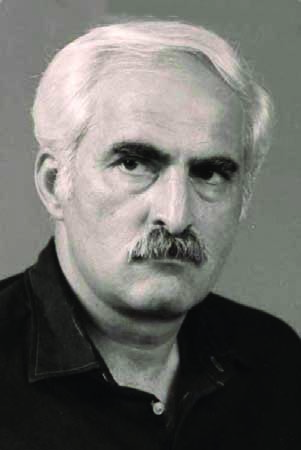
Merab Kostava (b. May 26, 1939, Tbilisi – d. October 13, 1989, Boriti, Kharagauli Municipality) was a public figure, dissident, human rights activist, one of the leaders of the national liberation movement, a poet, and a musician.
In 1958, he graduated from Boys' Secondary School No. 1 (now the Tbilisi Classical Gymnasium) and the Z. Paliashvili Central Music School; in 1965, he graduated from the Tbilisi State Conservatoire. He was friends with Zviad Gamsakhurdia from his school days. Together, they founded the underground patriotic organization “Gorgasliani”, which printed anti-communist literature. On December 14, 1956, Kostava was arrested alongside his associates. On April 5, 1957, following an appeal by Georgian writers, he received a suspended sentence and was released. From 1965, he worked as a music teacher at music schools in Rustavi and Tbilisi. From 1967, he served as the editor of the journal “Georgian Language and Literature at Schools”. During this period, he thoroughly studied religion and theology. In 1972, Kostava and Z. Gamsakhurdia established the Initiative Group for the defense of Human Rights in Georgia and published the journals “Okros Satsmisi” (The Golden Fleece) and “Sakartvelos Moambe” (The Georgian Herald). In 1975, Kostava was elected a member of the international organization “Amnesty International”. In 1976, the “Georgian Helsinki Group” was established under the initiative of Kostava and Z. Gamsakhurdia. On April 7, 1977, Kostava was arrested again. On May 19, 1978, he was sentenced, alongside Z. Gamsakhurdia, to three years of imprisonment and assigned to a strict-regime penal colony; he was soon transferred to a political prison in Perm. In 1978, he was nominated for the Nobel Peace Prize alongside other dissidents. In April 1980, he was exiled to the Irkutsk Oblast, specifically to the settlement of Kvitok in the Tayshetsky District, where he was subjected to a provocation, put on trial, and had five years added to his sentence. He served this term in Angarsk. There, he was ordered to perform demeaning labor, which he refused to do; consequently, another three years were added to his sentence. In 1984, he declared an indefinite hunger strike. Through the efforts of Z. Gamsakhurdia and pressure from the West, he was transferred first to Tashkent and later to the Ksani prison. He was released on April 30, 1987.
Upon his return, Kostava joined the national liberation movement. Together with Z. Gamsakhurdia, he headed various protests, strikes, and mass rallies and demonstrations in Tbilisi. He was arrested on April 9, 1989, but was released forty days later following public outcry. He died tragically in a car crash on the Kutaisi–Tbilisi highway, near Boriti.
In September 1993, in Zugdidi, the second session of the third convocation of the Supreme Council of the Republic of Georgia awarded Kostava the title of National Hero of Georgia. One of Tbilisi's main streets was named after Kostava, as were streets in almost every city across Georgia. A bust of Merab Kostava stands in Vere Park in Tbilisi. Theatres in Tbilisi, Kutaisi, and the capital's Art School No. 8 were also named in his honor. In 1991, a memorial house-museum was established in his former residence. He is buried in the Mtatsminda Pantheon of Writers and Public Figures.
Literary works: ფიქრები ქართულ კულტურაზე, თბ., 1989; ლექსები თბ., 1990; ფიქრები საქართველოს მისიაზე, თბ., 1991; სულო, დაიცა, თბ., 2013.
Literature: სორდია ლ., მერაბ კოტავას პოეზია, თბ., 2017.