Teimuraz I
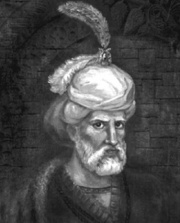
Teimuraz I (1589–1663), King of Kakheti from 1606–1648 and King of Kartl-Kakheti from 1625–1632. He was the son of King David I of Kakheti and Queen Ketevan. Due to his minority, the kingdom was initially governed by his mother, Ketevan. In 1612, to solidify the alliance with the Kingdom of Kartli, he married Khorashan, the sister of King Luarsab II of Kartli.
Teimuraz I underestimated the grave threat posed by Safavid Iran, meeting the 1614 invasion of Shah Abbas I unprepared. He subsequently retreated to Imereti and sought Ottoman assistance. On September 15, 1615, a major anti-Iranian uprising commenced in Kakheti; Teimuraz returned to lead the rebellion. Shah Abbas I dispatched a force of 15,000 under Ali-Quli Khan, which Teimuraz’s forces defeated at the Battle of Tsitsamuri. Following a subsequent Iranian campaign, Teimuraz again sought refuge in Imereti.
After the Battle of Martqopi (1625), Teimuraz was invited to Kartl-Kakheti and ascended the throne of the unified kingdom. The relentless struggle of Kartl-Kakheti forced Shah Abbas I to compromise, recognizing Teimuraz as King. However, the Shah did not abandon his goal of conquest. On July 1, 1625, the Battle of Marabda took place. Teimuraz assumed command, rejecting the strategic plan proposed by Giorgi Saakadze; the resulting lack of coordination led to a Georgian defeat. Relations with Saakadze deteriorated further; Saakadze ultimately lost faith in Teimuraz and attempted to unite the three Georgian kingdoms by placing Prince Alexander of Imereti on the throne. The supporters of Saakadze and Teimuraz clashed at the Battle of Lake Bazaleti in the autumn of 1626, where Teimuraz emerged victorious.
In 1632, Teimuraz took an imprudent step by breaking the peace with Iran and raiding Barda and Karabakh. In response, Shah Safi expelled him from Kakheti, appointing Rostom in his stead. Although Teimuraz regained Kakheti in 1634, his subsequent attempt to seize Kartli failed, ending in defeat by Rostom. In 1648, he was permanently expelled from Kakheti and retreated to Imereti. In his quest for liberation, he dispatched Nikiphore Irbakhi (Cholokashvili) as an envoy to the Pope and European monarchs in 1626, though the mission proved fruitless.
In foreign policy, Teimuraz prioritized a Russian orientation. He renewed the "Book of the Oath" (Pitsis Tsigni) in 1639. He sent his grandson, Prince Erekle (later Erekle I) to Russia in 1653 and traveled to Moscow himself in 1658, though these efforts yielded no substantial political results and returned to Imereti to retire to a monastery in 1661; the same year Vakhtang V sent the old Georgian ex-monarch to Iran. The Shah demanded his conversion to Islam in exchange for his throne; Teimuraz refused. He was imprisoned in the Astrabad fortress, where he passed away. His remains were returned to Georgia and buried at the Alaverdi Monastery.
Teimuraz I was skilled in Persian language and literature, from which he translated several poems into Georgian: Vardbulbuliani, Shamiparvaniani, Leilmajnuniani, and Iosebzilikhaniani. His original work is permeated with a sense of the treachery of the world and a melancholic tone (The Complaint against the World). He also appeared as an apologist for physical love and wine (Dispute between the Lips and Wine). He was among the first to introduce national themes into Georgian poetry. In his poem The Martyrdom of Queen Ketevan, he described the sacrifice of his mother for her country and faith. He diversified Georgian literary genres, establishing the Majama (homonymic verse) and developing the Gabaaseba (literary debate/dispute) genre.
Literary works: თხზულებათა სრული კრებული, ა. ბარამიძისა და გ. ჯაკობიას რედ. ტფ., 1934.
Sources: ვახუშტი, აღწერა სამეფოსა საქართველოსა, წგ.: ქართლის ცხოვრება, ს. ყაუხჩიშვილის გამოც., ტ. 4, თბ., 1973; ქართლის ცხოვრება, მთ. რედ. რ. მეტრეველი, თბ., 2008.
Literature: აბაშიძე ზ., ბახტაძე მ., ჯანელიძე ო., საქართველო და ქართველები, თბ., 2015; გუგუშვილი მ., თეიმურაზ პირველის ცხოვრების გზა, თბ., 1979; ნაკაშიძე ნ., წიწამურიდან ბახტრიონამდე, თბ., 1977; საქართველოს ისტორიის ნარკვევები, ტ. 4, თბ., 1973; ქართული ლიტერატურის ისტორია, ტ. 2 1941 წ.
A. Baramidze
D. Kacharava