John Sabanisdze
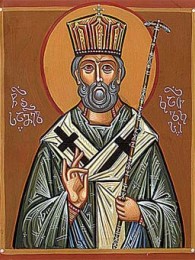
John Sabanisdze, 8th century writer, hagiographer, author of Martyrdom of Abo of Tbilisi, which describes the martyrdom of the Arab young man Abo and his devotion to Christianity. Abo followed King Nerse of Iberia from Arabia to Kartli, where he became acquainted with the Christian faith, rejected Islam, and converted to Christianity. Arabs demanded that he renounce his faith and beheaded him in 786 for his devotion to Christianity.
Abo's martyrdom had a great public resonance. The Georgian Church canonized him as a saint. Catholicos Samoel of Kartli (780–790) addressed a special letter to John Sabanisdze, a person close to Abo, and asked for a description of his martyrdom. John Sabanisdze created a brilliant monument of Georgian hagiographic writing (786–790), and added the epistle of Catholicos Samoel and his response as a preface. The modest tone of the Catholicos makes us think that John Sabanisdze must have been a layman. He was highly educated, a good connoisseur of sacred writings, and a skilled writer. It is likely that John Sabanisdze was also the author of an ancient hymn about Abo of Tbilisi, preserved in the Chil-Etrati Iadgari (9th–10th centuries; National Centre of Manuscripts, H–2123).
Martyrdom of Abo of Tbilisi consists of 4 chapters. The first chapter is of an instructive nature, in which the significance of Abo's martyrdom is discussed; Second and third chapters describe Abo's arrival in Kartli, his work and martyrdom; The fourth chapter is hymnographic in nature and contains a praise of Abo of Tbilisi. This part of the work is an ancient example of original Georgian hymnography. By describing Abo's martyrdom, John Sabanisdze set the goal of strengthening national self-consciousness. In order to nationally degradate Georgians, the Arabs were spreading Islam among Georgians. In such a situation, the Arab Abo's conversion to the Christian faith was an important fact. The writer considered the preservation of the Christian faith to be the main means of preserving national identity. He used the fact of Abo's martyrdom to confirm the superiority of Christianity over Islam and to arouse a sense of national-religious pride. The work was of great importance to the Georgians oppressed by Arab rule and facing the threat of national degradation. John Sabanisdze is characterized by a strictly thought-out composition, a delightful and figurative manner of narration, and deep dramatism.
The work is an important historical source for studying the political and economic life of Kartli in the 8th century, national and religious ideals, as well as public life. It was obtained from a 10th century manuscript. It was first published by M. Sabinin (1882), the second time by K. Kekelidze (1935), who translated the work into Russian (1956). It was translated into German by Schulze (1905), and into Latin by P. Peeters (1934).
Literary work: წამებაჲ წმიდისა და ნეტარისა მოწამისა ქრისტჱსისა ჰაბოჲსი…, წგ.: ძველი ქართული აგიოგრაფიული ლიტერატურის ძეგლები, წგ. 1, ილ. აბულაძის რედ., თბ., 1963; ძველი ქართული საეკლესიო ლიტერატურა, ტ.1, ძეგლები თარგმნა, გამოსაცემად მოამზადა და სქოლიოები დაურთო ე. ჭელიძემ, თბ., 2008.
Literature: ბარამიძე რ., სახელმწიფოებრივი ცნობიერება და ზნეობრივი იდეალი, თბ., 2018; ეროვნული თვითშემეცნების სათავეებთან: იოანე საბანისძე, მარტჳლობაჲ ჰაბო ტფილელისაჲ, ლიტერატურის ინსტიტუტის გზამკვლევი, თბ., 2016; კეკელიძე კ., ადრინდელი ფეოდალური ქართული ლიტერატურა, ტფ., 1935; მისივე, ქართული ლიტერატურის ისტორია, ტ. 1, თბ., 1960; მეტრეველი ს., ქართული სულიერი კულტურის პარადიგმები - აგიოგრაფია, თბ., 2020; სირაძე რ., ქართული აგიოგრაფია, თბ., 1987; ჯავახიშვილი ივ., თხზულებანი თორმეტ ტომად, ტ. 8, თბ., 1977.
Sh. Oniani